

From Loss to Resilience
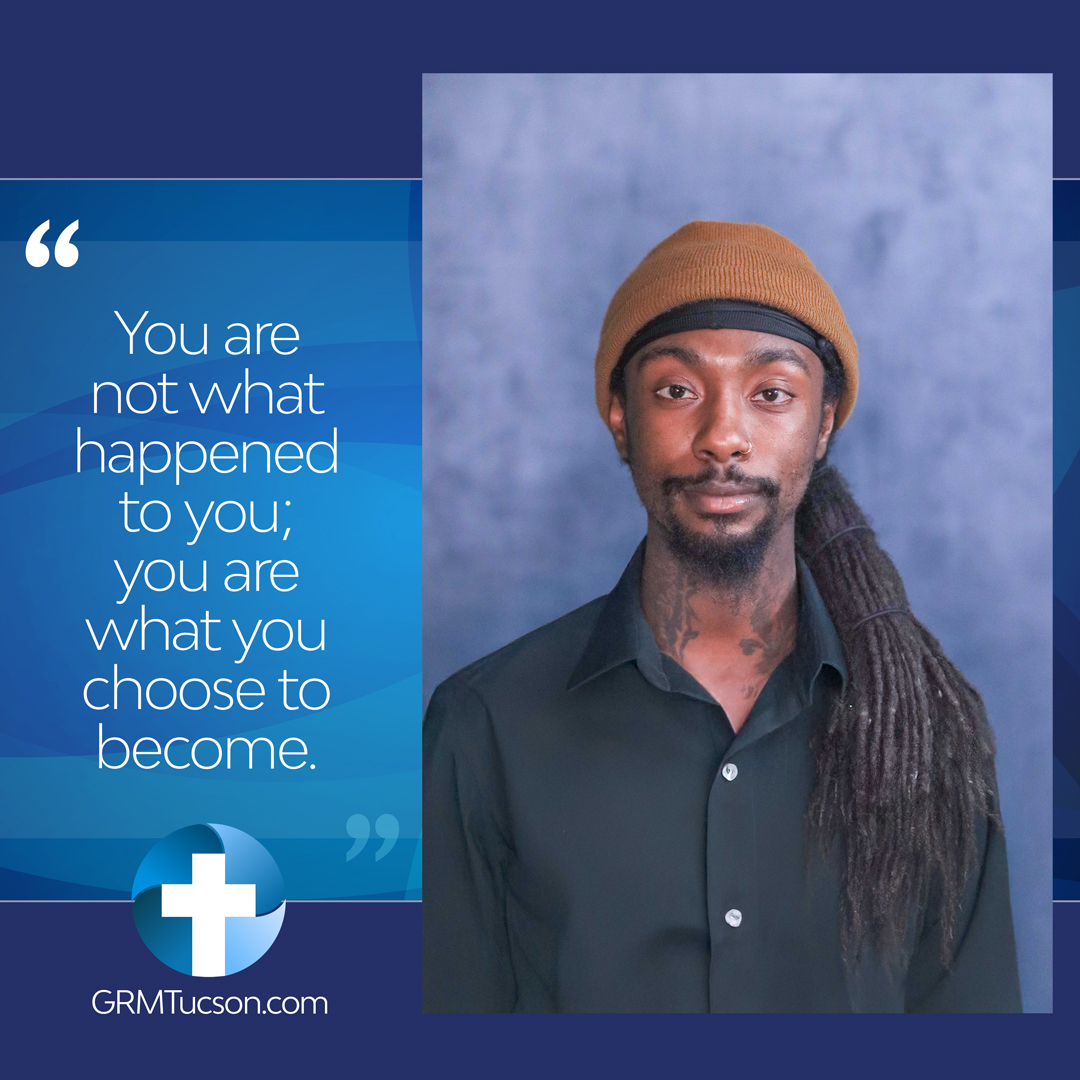
Solomon
Recovery Guest
Solomon’s story starts in Chicago, where he was raised by his grandmother, who became both a mother and father to him, teaching him morals, manhood, and faith.
When his grandmother knew she was nearing death due to cancer, she had one last mission: find Solomon’s father. Meeting his dad was painful and beautiful at the same time, but over time he saw, “A lot of the things that I am are of him.”
Solomon was also growing in mind and spirit. He says he studied health, going plant-based, convinced that God’s design for the body is tied to food. “I truly healed my mind. I don’t feel anger, anxiety, or depression like I used to, because I’m eating better.”
After graduating high school, he went to work. He worked in warehouses, drove forklifts, and worked at Amazon, making good money.
While Solomon was working and growing in Chicago, his mother was living in Tucson, Arizona. Then everything changed. In August 2025, Solomon’s mom’s significant other died suddenly of a heart attack, and past-due rent started to pile up.
Solomon flew to Tucson. “I would not allow my mother to be in the situation that I’m not in.”
The loss and the eviction shook her.
Out of money and out of options, he turned again to prayer and resourcefulness. Solomon had never been homeless before, so he searched for the “most highly rated shelters” in Tucson. One name jumped out: Gospel Rescue Mission.
He remembers how the name itself spoke to his faith. He felt God was guiding him.
At GRM, God gave Solomon a safe place and new tools. But what changed him most deeply were the classes, especially those on emotional intelligence. Solomon says, “I learned about emotional intelligence on a whole other level.” He had already studied psychology and health on his own, but these classes tied it to real life and faith.
When asked what he’s learned at GRM, he answers, “How to be more resilient than I knew about myself.”
To those still stuck, he offers this picture: “There is no testimony without a happy ending… failing is part of it. Don’t just fail and not complete the mission.” He remembers an older man’s words: don’t be on your deathbed thinking about what you could have done, but what you did do.