

Choosing a New Direction
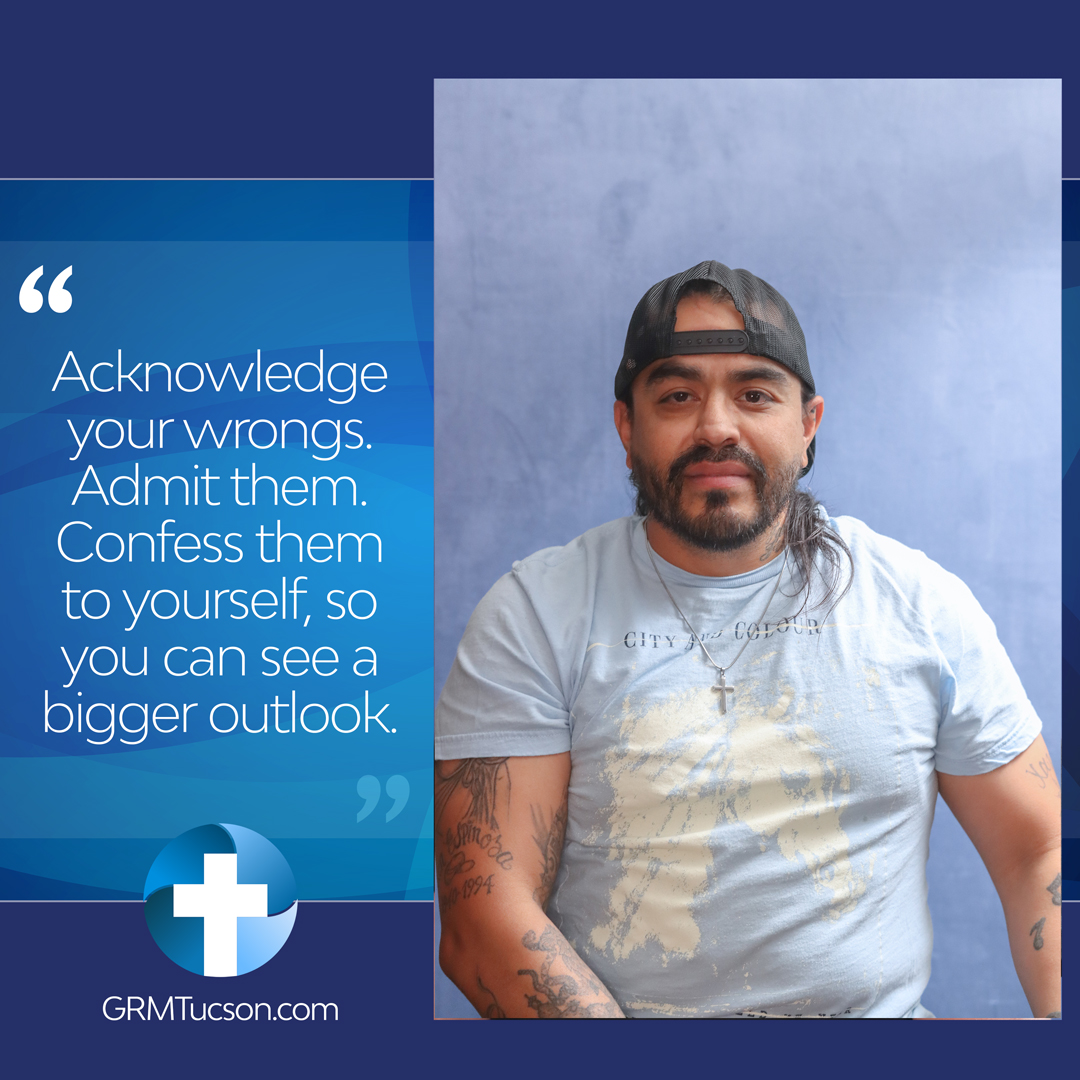
juan
workforce
From a Difficult Childhood to Fatherhood
Juan was raised by his grandparents in Mexicali, Mexico, and frequently moved between Mexico and the United States because of his grandfather’s work. Constantly changing schools made it difficult to feel settled, and Juan described himself as “a loner.” At just 17, he was working construction and navigating fatherhood after becoming a parent at a young age. Without a father figure to guide him, Juan struggled with the responsibilities of adulthood. Despite these challenges, he remained with his partner for 22 years, and together they raised five children, including twin boys.
Pain, Loss, and Looking Inward
Juan takes responsibility for the way the relationship ended, saying, “It’s me that destroyed that,” while acknowledging that both people had a part. After the separation, he fell into depression and began confronting painful truths about his past. He described himself as once violent, selfish, manipulative, and uncaring. In prison, he says, he began examining not just what he had done, but what was happening in his heart. “God used pain to train me,” he reflected. His faith helped him see that he needed to reach out instead of isolating himself.
Choosing a New Direction at GRM
After prison, Juan went to rehab because he knew he didn’t want to return to the streets. From there, he chose Gospel Rescue Mission. He is now part of GRM’s Workforce Development Program, where he is learning about responsibility, respect, loyalty, and integrity at work. He sees those lessons as part of his faith: not simply calling out someone’s mistakes, but helping them do better. He says he is learning to pause when he feels offended, forgive, and choose how to respond. “I’m not perfect, but I’m choosing” to do differently, he said. He has also learned that he is a passionate and caring person, and that serving others helps him live out those values.
The Lesson He Hopes to Pass On
Juan’s advice is to face the past honestly without believing it has to define the future. “Acknowledge your wrongs, admit them,” he urged, and seek support from God and trusted people. He says he once looked for help to change his situation, but came to understand that he needed help changing his life. For him, accepting help means being willing to follow its guidance: “Help comes with rules, instructions.” His testimony is about hardship and accountability, but also about faith, humility, and the possibility of becoming someone who treats others with greater care.