
Is there One Solution?
Someone in crisis may not need a police officer. They might instead need a shelter, a mental health provider, or maybe just someone who can connect them to the right resources so they can get back on their feet.
And while some families (like those who experienced a sudden job loss or an unexpected expense) might just need housing, she pushes back against what she sees as a common oversimplification:
Housing First isn’t Housing Only.
Housing may be an important part of the answer, but stability often requires much more. Especially when addiction and mental illness are involved.
Can Conversations Help?
You’ve watched an encampment grow near your neighborhood or business and wondered why more isn’t being done.
You’ve given money, then wondered afterward if what you just did actually helped, or made the problem worse.
You see someone sleeping on the sidewalk, or clearly suffering from addiction or mental illness, and think, “There has to be a better answer than this.”
Last year, for 24 hours, we brought together people who have lived through homelessness, as well as those who are dedicated to addressing it. We hosted government officials, advocates, medical professionals, business owners, and community leaders.
Although they didn’t agree on the solutions, they all agreed on one thing: something needs to be done to help people who are hurting.
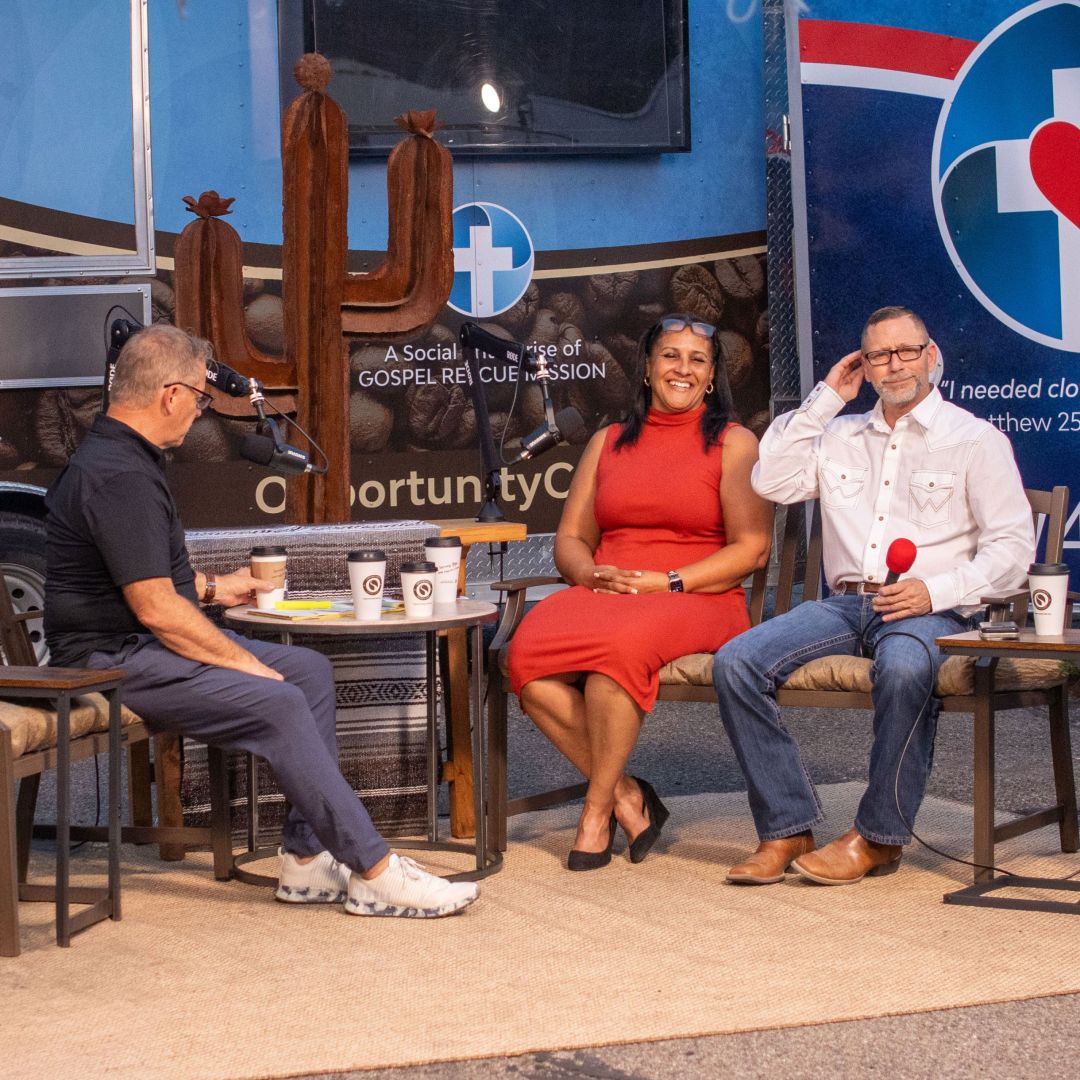
You may agree. You may disagree. You may hear someone put words to something you’ve thought about for years—or encounter a perspective you’ve never considered. And that’s exactly the point of Conversations on a Bench: creating space for honest conversations that challenge us to listen, think, wrestle with difficult questions, and consider whether the way we understand the problem might also change the way we respond to it.
Does Addiction Change Everything?
Kevin spent years watching a dangerous encampment grow in a wash near his neighborhood. Monica, a local business owner, was seeing the impact from another angle: theft, people coming into businesses in crisis, and open drug use happening throughout the day.
It’s becoming normal for us and our kids to see people getting high on the streets. I don’t want this to be normal anymore.— Monica
It was clear to both of them that drugs were playing a pivotal role in the degradation of their community. And while the government continues to argue about which approach is best, we continue to witness people dying.
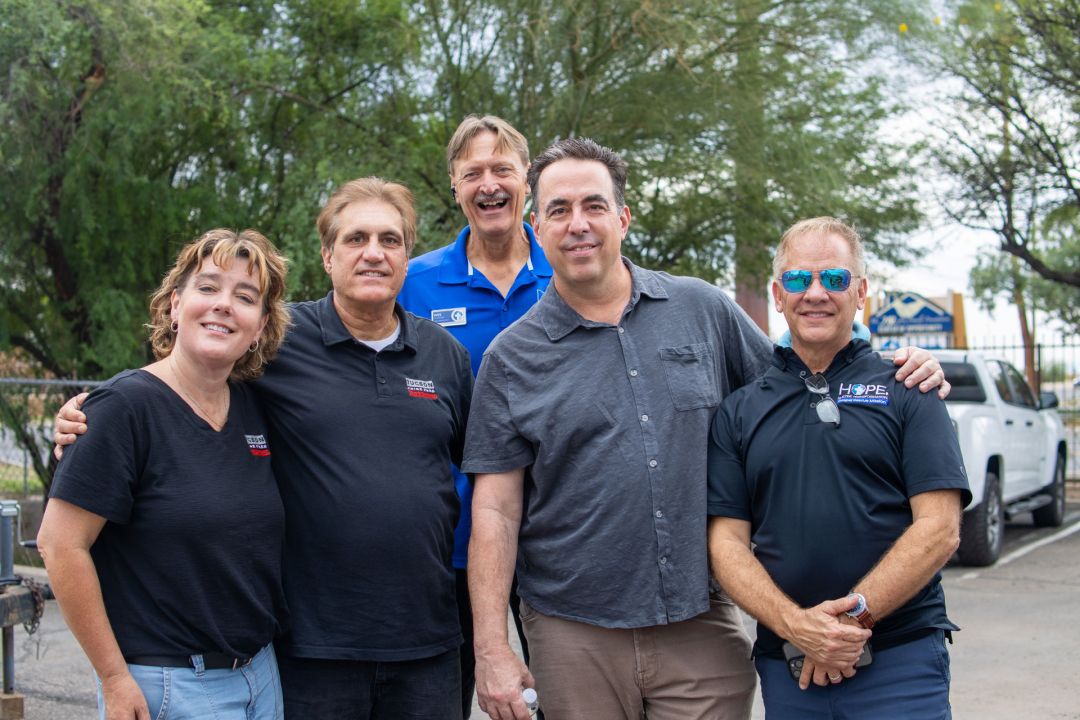
As an advocate for Tucson Crime Free Coalition, Kevin began walking through encampments from the inside and what he saw shocked and saddened him: severe fentanyl addiction, emaciated people suffering, stolen property strewn every which way, and people living in third-world conditions, just steps away from mainstream society. He’s quick to point out “the only people who win are the drug dealers.”
Well-meaning people handing the homeless $5 on a street corner becomes complicated when, Kevin says, “that money can quickly become the fentanyl pill that ultimately kills them.”
But that raises its own uncomfortable question:
What Leads to Lasting Change?