

A Place Where Healing Could Finally Begin
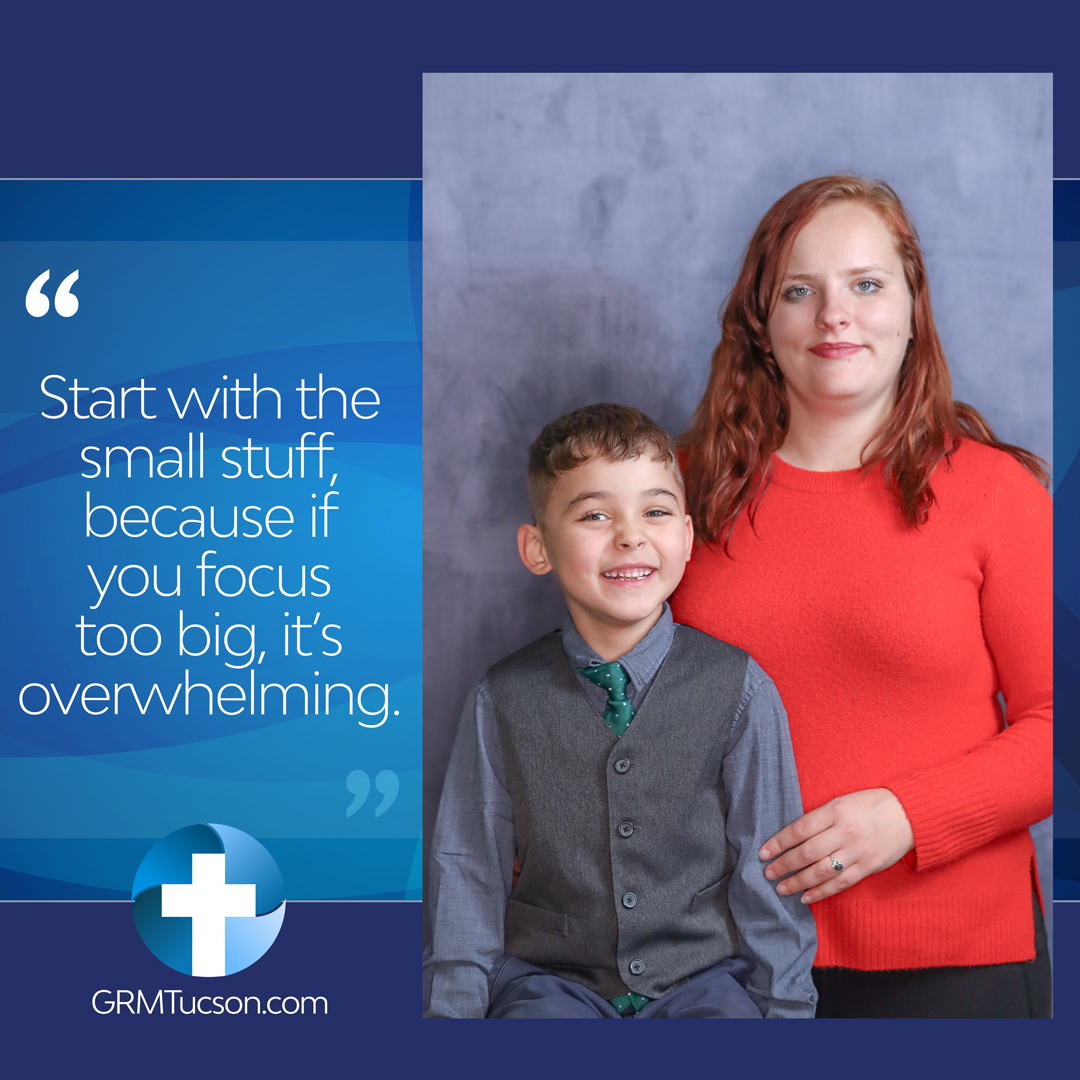
Gwendalyn
Recovery Guest
Around the age of six, she moved to Yuma to live with her mother, but the stability she hoped for didn’t last. She was soon sent back to her father, whose unresolved pain and PTSD spilled over into violence toward his children. “He became super abusive,” she later shared. Eventually, Gwendalyn returned to her mother—this time in Tucson—but chaos followed her there as well.
At just 16 years old, she dropped out of high school to care for her mother’s 15-month-old baby. The home environment continued to deteriorate until a violent incident between sisters ended with a stabbing. The court ruled that one of them had to leave, and her mother chose Gwendalyn. With nowhere else to go, she married at 17, hoping to find safety and stability. Instead, another traumatic event occurred before their life together could even begin, and she walked away.
Still searching for safety, Gwendalyn went to her child’s father and later became pregnant. Her son’s severe behavioral challenges led to frequent injuries, drawing the attention of child services and years of painful accusations. In May 2024, after a long legal battle, the court finally ruled in their favor and returned custody. Tragically, on the very day they were set to regain their son, an argument escalated into violence, and he attacked her. Police intervened, and he was later sentenced to prison until 2027.
With no stable place to live, Gwendalyn moved repeatedly between her parents’ homes and at times lived in her truck with her child. Desperate to keep her son safe, she even contacted DCS herself, asking for help. Again and again, she heard the same answer: Go to Gospel Rescue Mission. People told her it was the easiest and best option for a mother and child—a place with space, programs, and real support.
Through the support of Gospel Rescue Mission, her church community, and daily prayer with her son, Gwendalyn found the strength to keep going after everything she had endured. At GRM, she found something she had never truly had before: a place where “doing it” was possible. A bed. A program. People who could say, “Here are the steps.” Classes that help her work toward housing. Advocates who walk beside her. And a community where her faith—and her hope—can continue to grow.